The best ideas came later
When I thought creativity had to happen on cue
For a long time, I believed good ideas were supposed to arrive in the room.
Around the whiteboard. In the workshop. Between sticky notes, half-finished sentences, and that familiar pressure to say something smart before the silence lasted too long. I thought that was what creative energy looked like, fast, visible, collaborative, always in motion.
And sometimes, to be fair, those sessions were useful. They created momentum. They surfaced patterns. They gave shape to a problem.
But the ideas I truly cared about rarely showed up there.
What usually showed up first was performance. The need to respond quickly. The temptation to sound original before I had actually felt my way into something honest. I would leave with pages of thoughts, fragments, and directions, but not always with the idea itself.
That part often came later.
The idea usually arrived after I stopped chasing it
It started becoming a pattern I could not ignore.
The clearest thought would arrive on the walk back. Or while staring out of a cab window. Or in the quiet moment after lunch when my mind had finally stopped trying so hard. Sometimes it came when I was lying down for a few minutes, not solving anything at all. Sometimes it appeared while I was doing something ordinary enough for my guard to drop.
That changed the way I understood my own process.
I realized I do not do my best thinking when I am trying to force an answer into existence. I do it when there is just enough looseness for one thought to connect with another. When the pressure lifts. When the mind stops performing and starts wandering.
For a while, I mistook that wandering for distraction.
Now I see it differently.
That is often where the real work begins.
I stopped asking for ideas and started changing the conditions
Once I noticed this, I became more interested in the conditions around creativity than in the performance of creativity itself.
Instead of asking, How do I get to the idea faster?
I started asking, What helps the idea arrive at all?
That question quietly changed my habits.
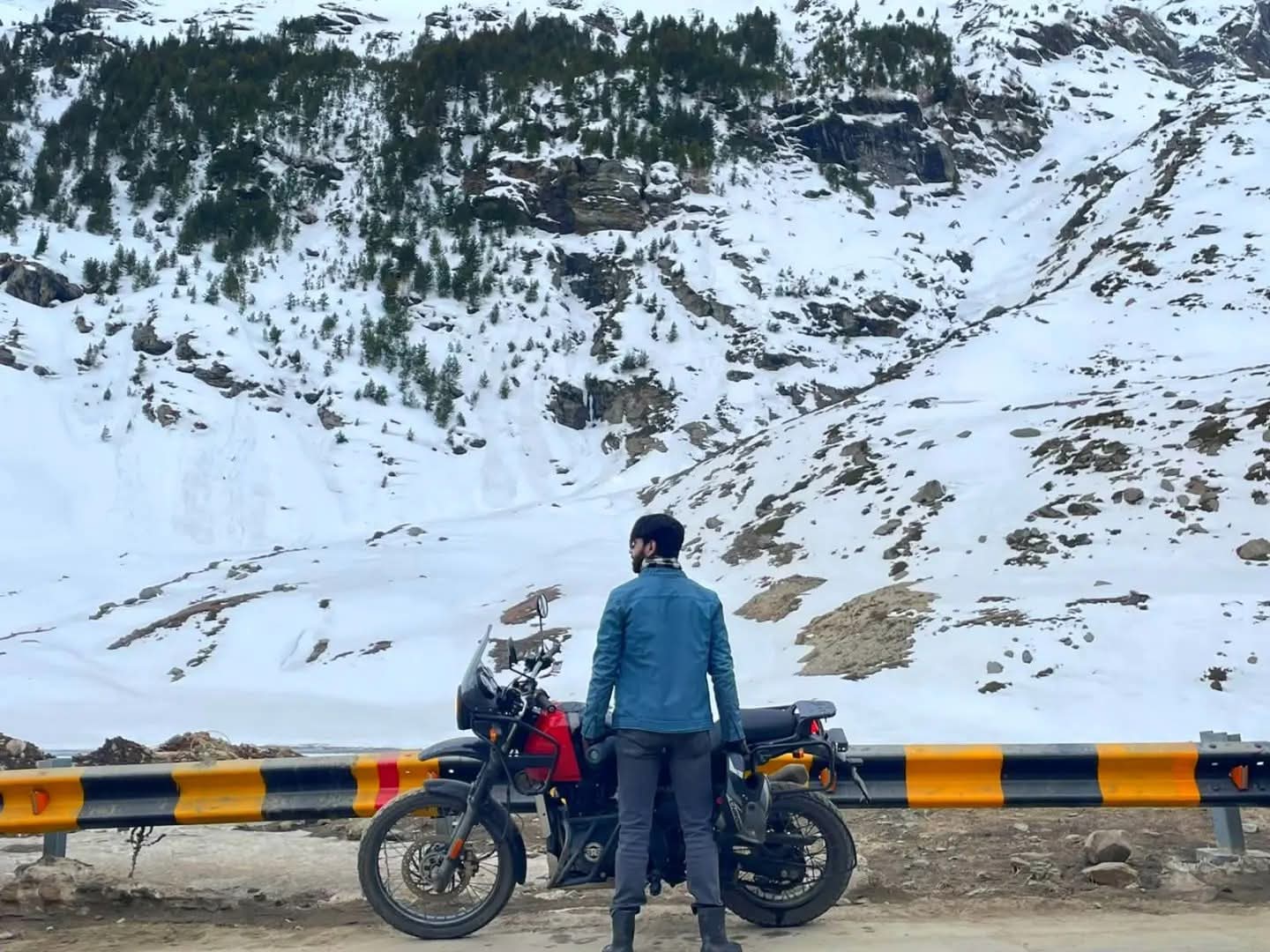
I began paying more attention to what I was feeding my mind before a project. Not just references from the same category, not just things that looked immediately useful, but inputs that could shift the way I was seeing. A gallery visit. A strange poster. A film scene that stayed with me. A book cover. A street I had never walked through before. Even a small change in my environment could do something to my thinking.
Not because these things handed me answers.
But because they broke the sameness.
And sameness, I’ve learned, is one of the fastest ways to make thinking predictable.
What art, rest, and nature started teaching me
Some of the most useful creative triggers in my life have been the quietest ones.
Art taught me not to rush meaning. Standing in front of something abstract or unresolved reminded me that not everything needs to explain itself immediately to be powerful. Sometimes I just need to sit with a feeling long enough for it to open.
Rest taught me that stepping away is not the same as giving up. Some of my clearest ideas have arrived when I stopped looking directly at the problem and let it settle somewhere deeper. A few minutes of stillness has rescued me more often than another hour of forcing.
Nature taught me something softer but equally important: pace matters. A plant on a desk, a walk outside, a little more air in the day, these things seem small, but they change the texture of thought. They pull me out of that tight, overly controlled state where everything starts sounding the same.
None of this feels dramatic when it is happening.
But over time, it has changed the quality of my work.
I became less interested in noise
The older I get as a designer, the less I trust noise as proof of creativity.
The loudest room is not always the most original one. The busiest process is not always the deepest one. And not every idea needs to arrive in public to be real.
Some ideas need solitude before they can survive conversation.
Some need boredom.
Some need distance.
Some need a completely unrelated image, object, or moment to unlock them.
That realization made me more protective of the quiet part of the process.
Not because I stopped valuing collaboration, but because I stopped expecting every meaningful idea to be born inside it.
What I believe now
Now, when I feel stuck, I no longer treat it as a sign that I need to push harder in the same direction.
Usually, it means I need to change the atmosphere.
To leave the desk.
To look at something that has nothing to do with the brief.
To rest before I react.
To let my mind wander long enough for it to surprise me.
That has become one of the most important things I know about creativity: the best ideas are rarely dragged into the room by force.
They arrive when there is enough space for them to find me.
And the work I am proudest of has usually begun not in the loudest moment of the process, but in the quieter one that came after, when I stopped trying to sound creative and started paying attention.