Ecommerce
Desktop
Product design
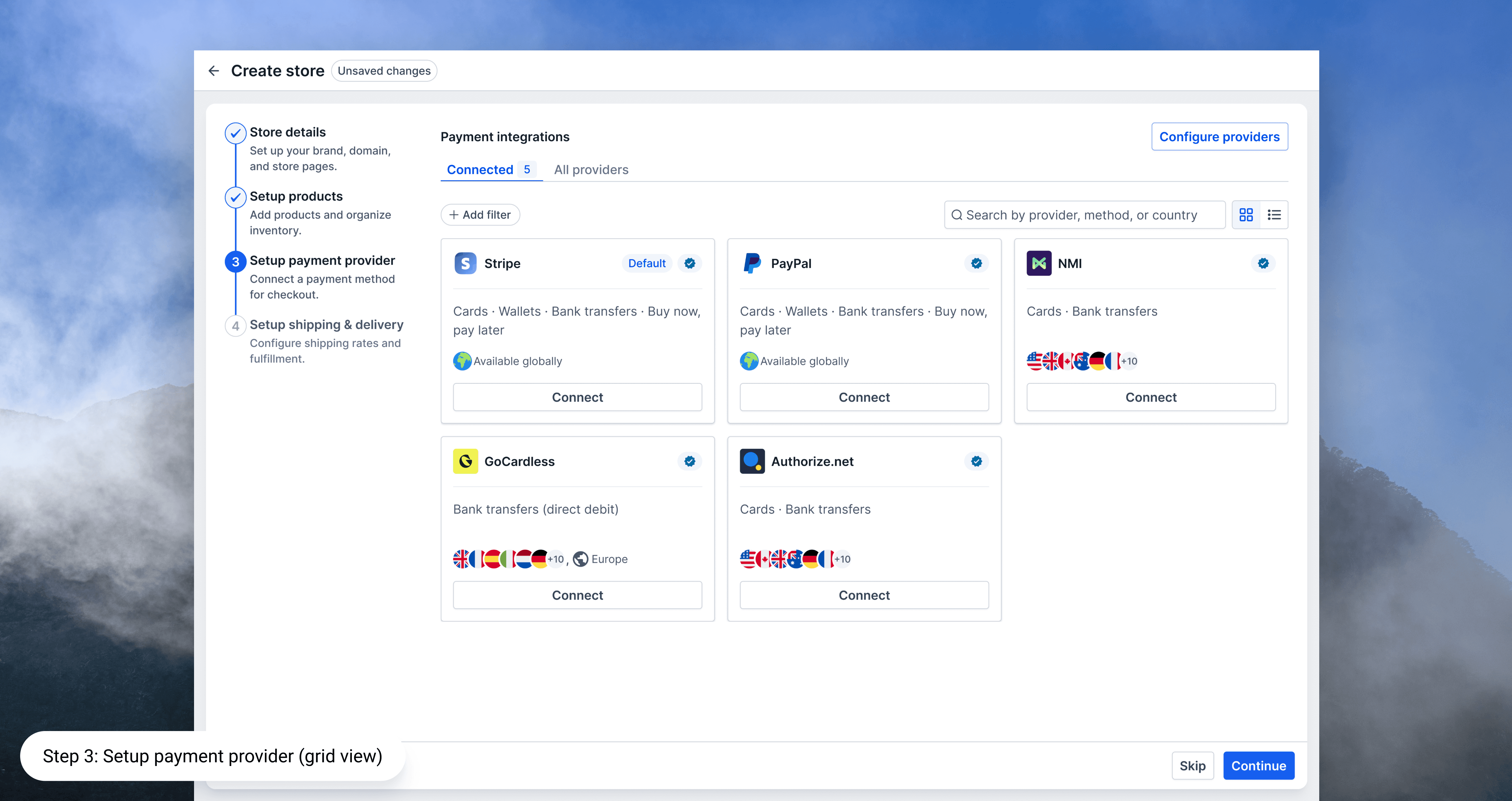
HighLevel’s ecommerce capabilities had evolved across multiple independent surfaces such as stores, products, payments, shipping, and notifications. While the platform technically supported ecommerce, the experience lacked a structured activation flow, making it difficult for users to successfully launch operational stores.I redesigned the experience as a lifecycle-driven ecommerce system, introducing persistent store creation, a structured onboarding flow, readiness states, and a unified operational dashboard. The redesign transformed ecommerce from a scattered feature set into a state-aware revenue system that guides users from store creation to operational readiness.
Nov 2025 – Feb 2026
Sr. Product Designer, Leading Ecommerce Stores
HighLevel
Challenge
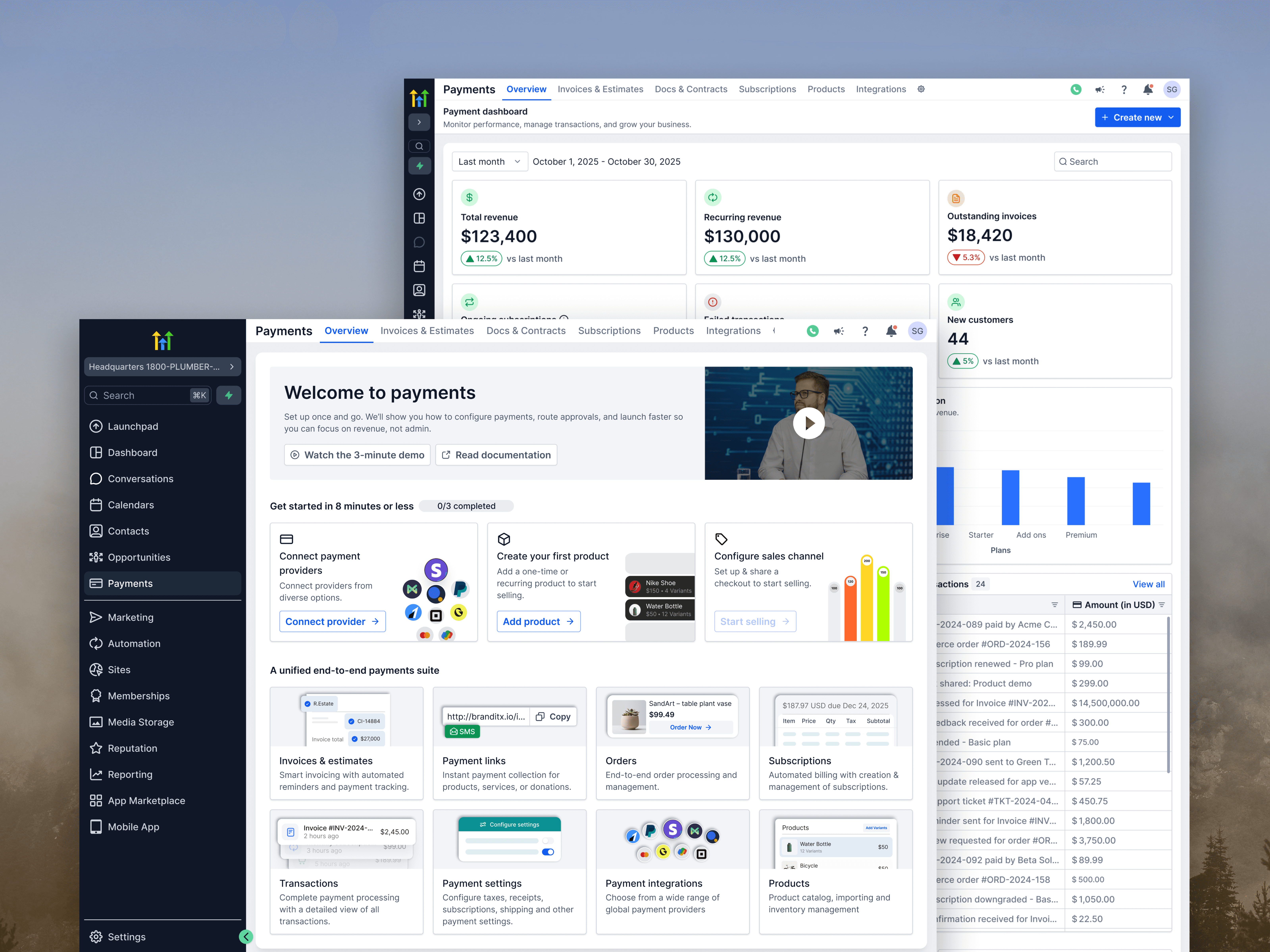
Although ecommerce features existed within the platform, activation and operational readiness were extremely low.
Conversion from store creation to a successfully operational store was only 0.14%, indicating severe activation friction.
The median time to first transaction exceeded 5 days, showing delays in turning stores into revenue-generating businesses.
Store setup required navigating across multiple disconnected product surfaces such as stores, products, payments, and shipping.
The system failed to distinguish between new users and experienced store owners, showing the same interface regardless of lifecycle stage.
Users lacked visibility into store health metrics, operational readiness, or next steps required to launch their store.
As a result, ecommerce existed as a collection of features rather than a structured system that enables businesses to successfully launch and operate stores.
What I did
I redesigned the ecommerce experience as a lifecycle-aware system that adapts to user progress and guides them toward store readiness.
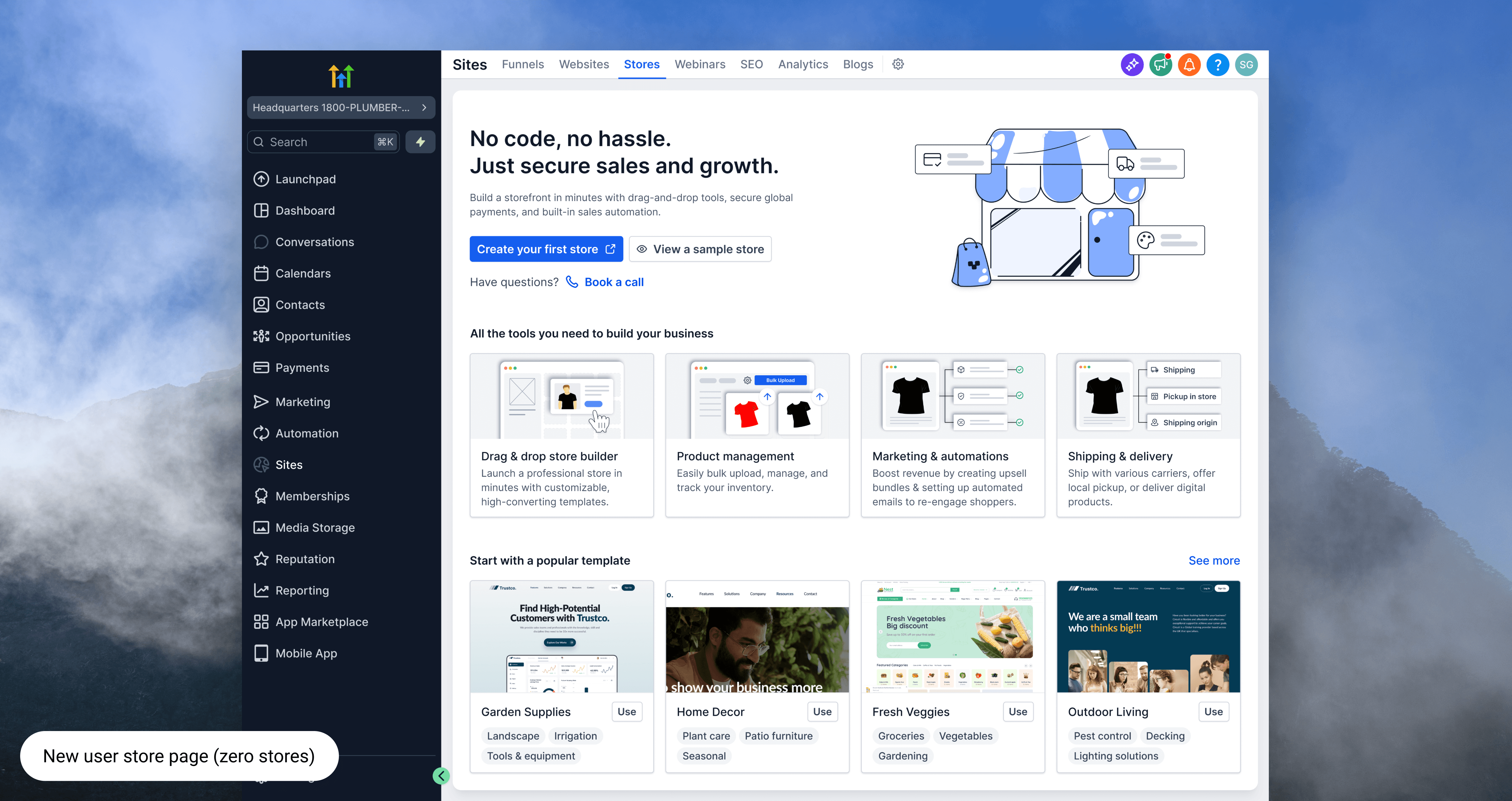
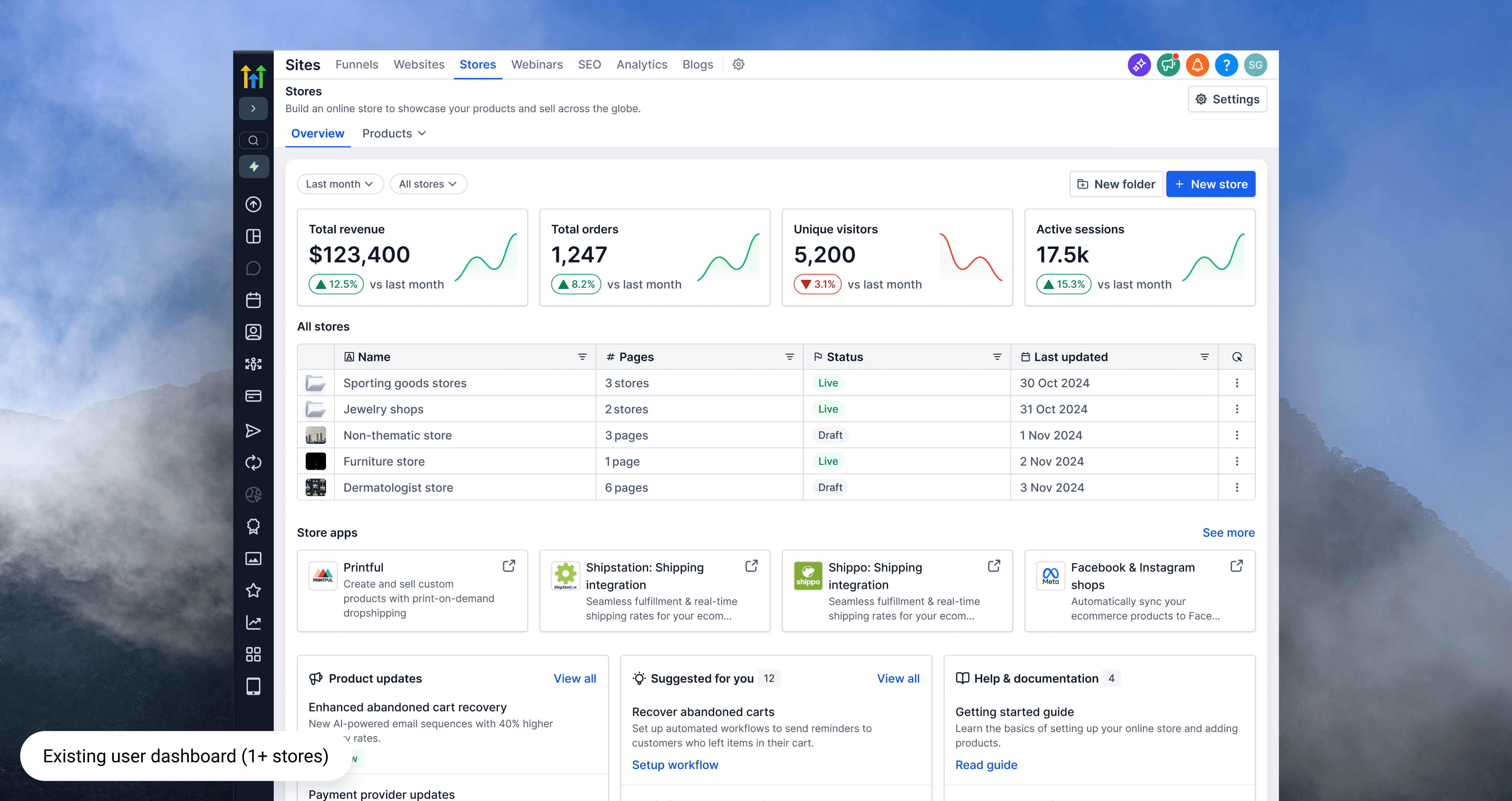
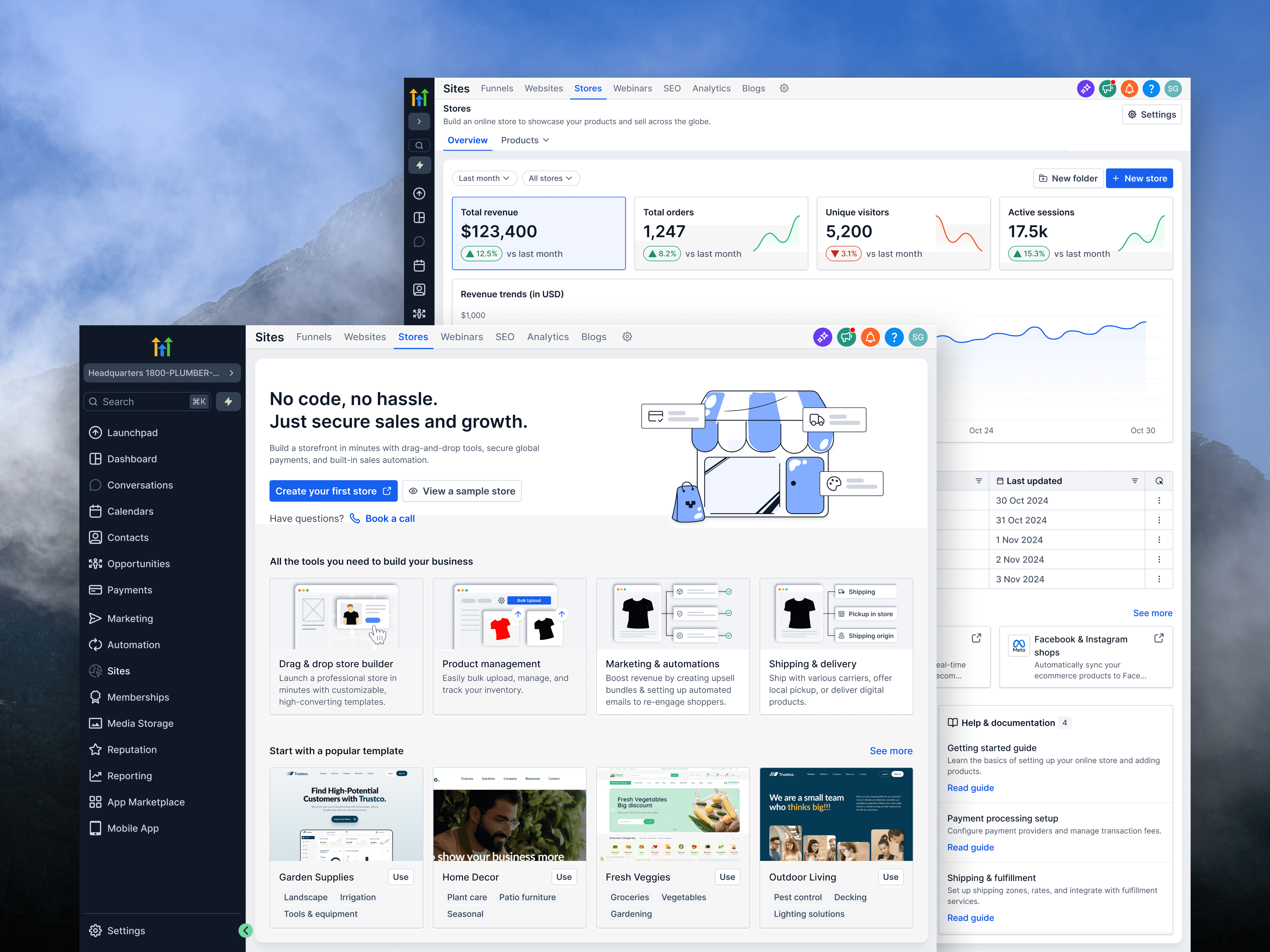
Designed lifecycle-driven entry logic that routes users based on store state (0 stores → activation surface, 1+ stores → operational dashboard).
Created a dedicated activation page for new users with a clear value proposition and a primary “Create your first store” call to action.
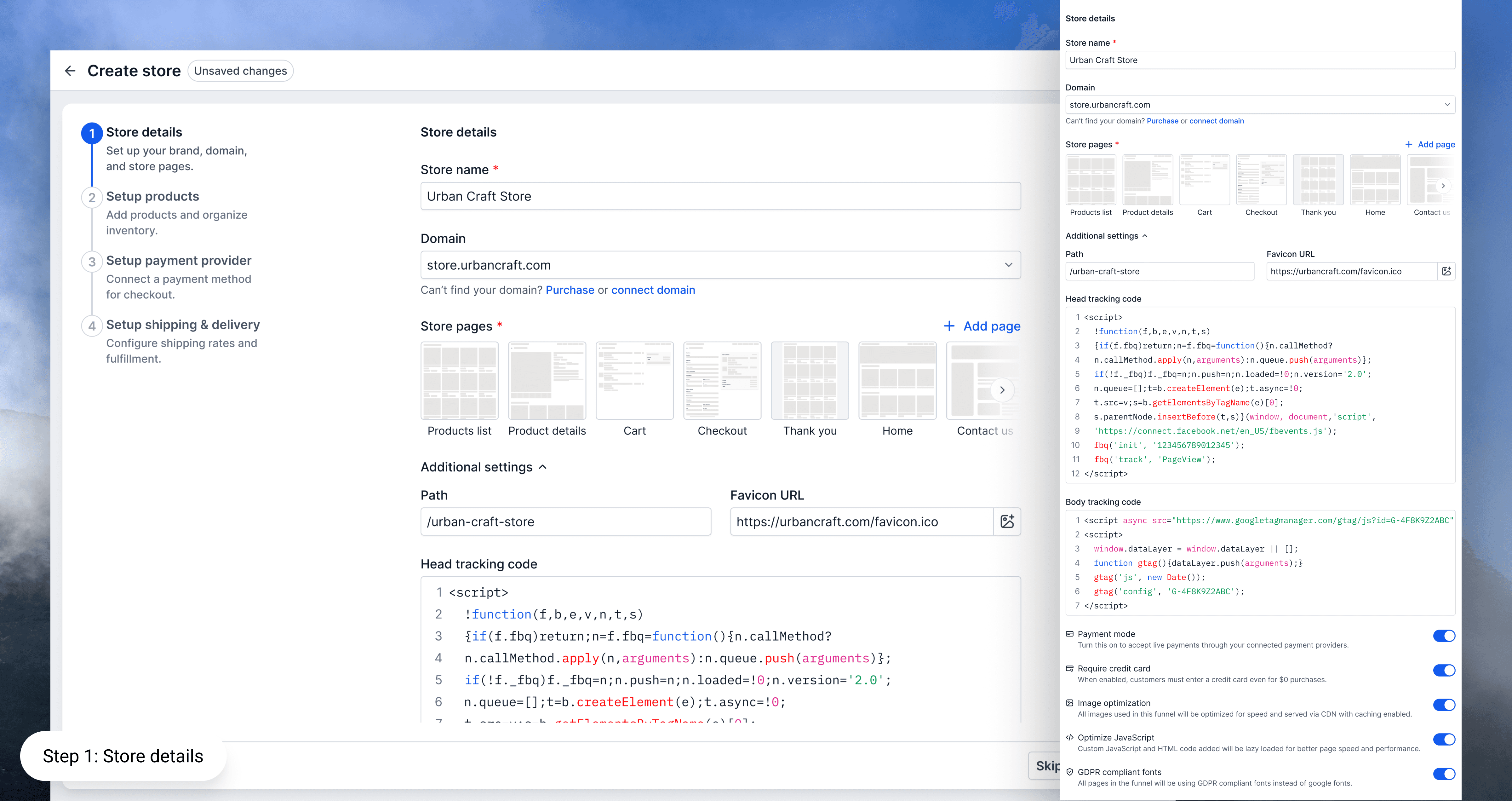
Introduced immediate store persistence, ensuring a store entity is created instantly once the user confirms creation to prevent setup abandonment.
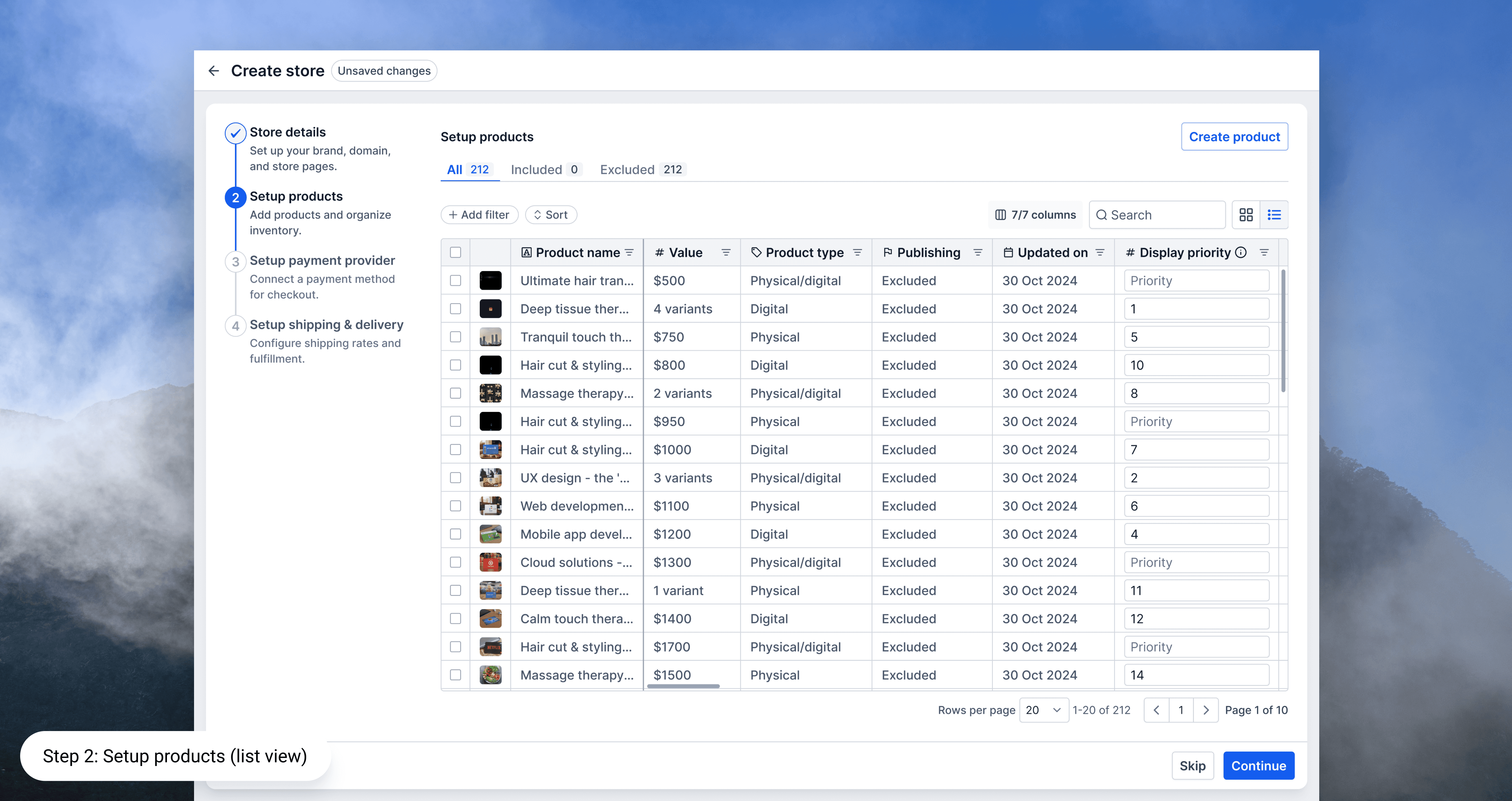
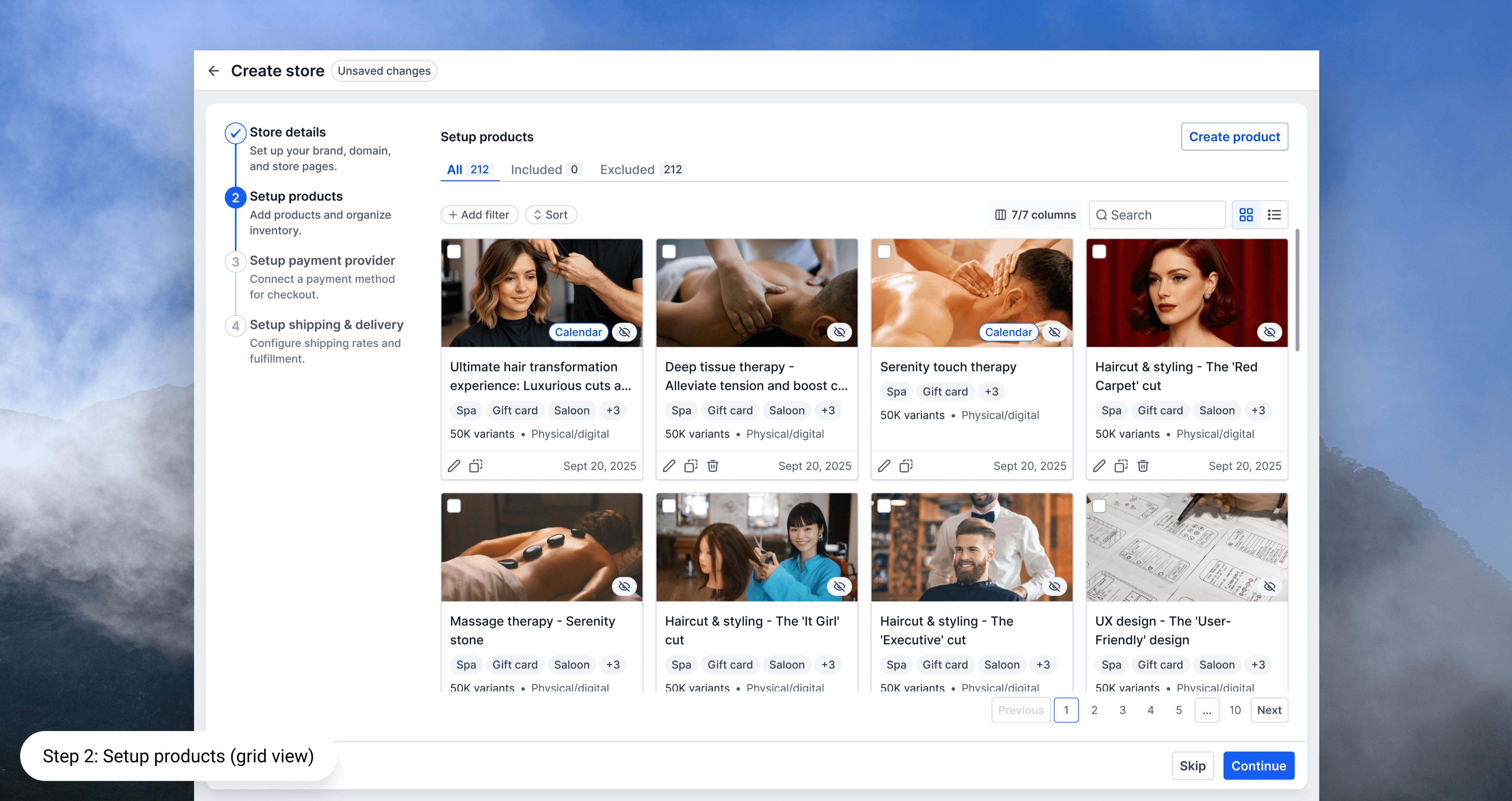
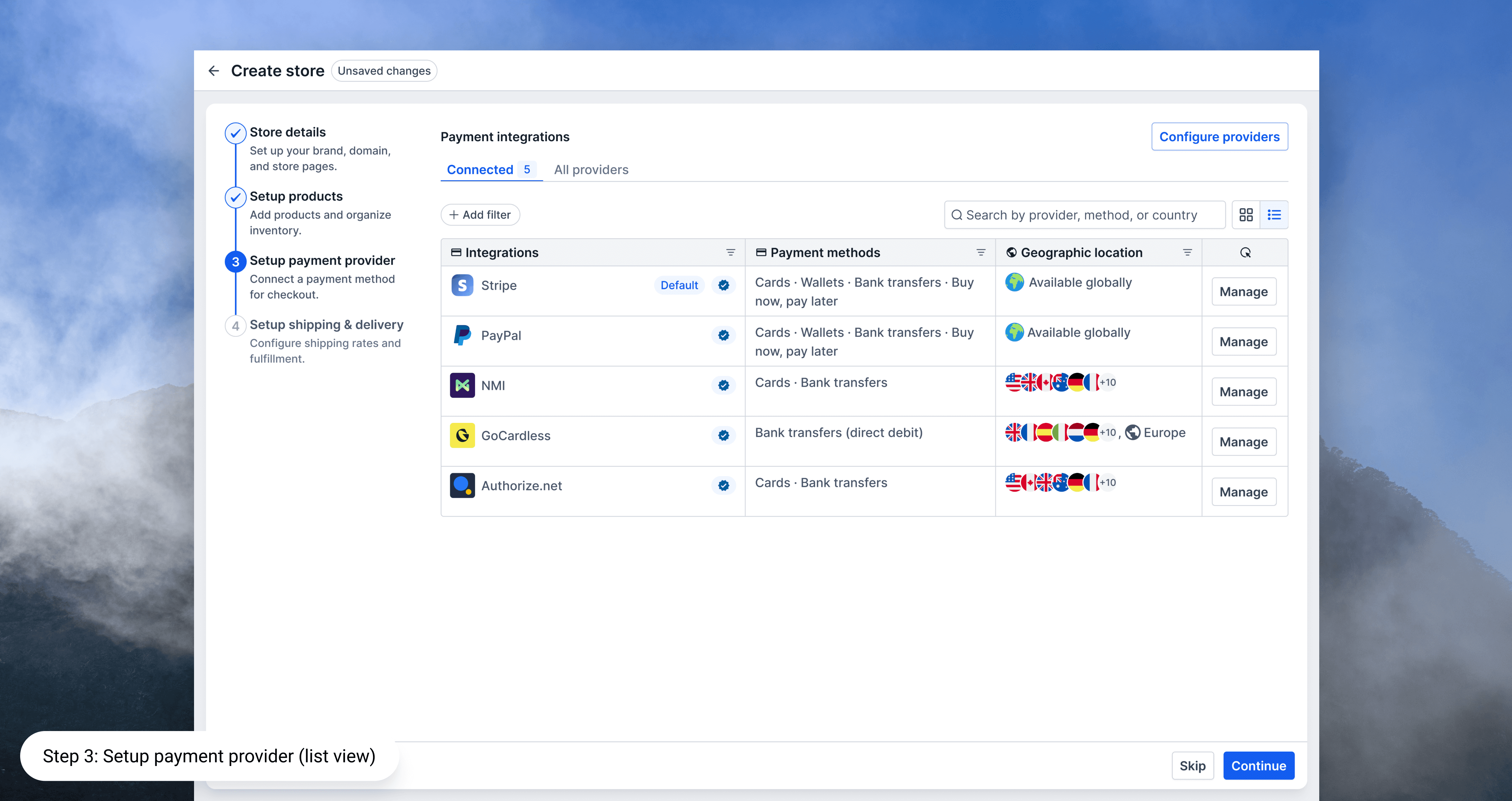
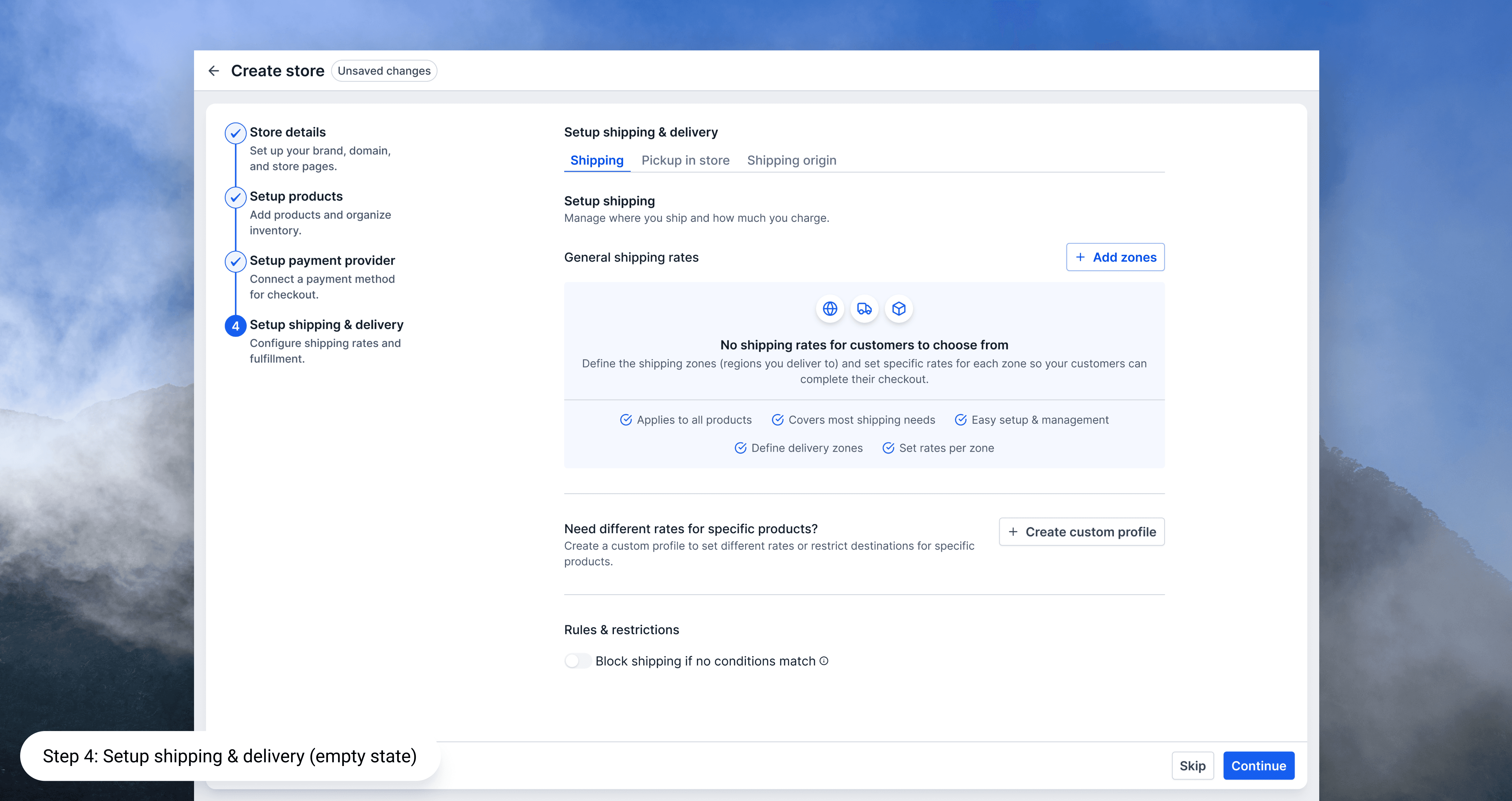
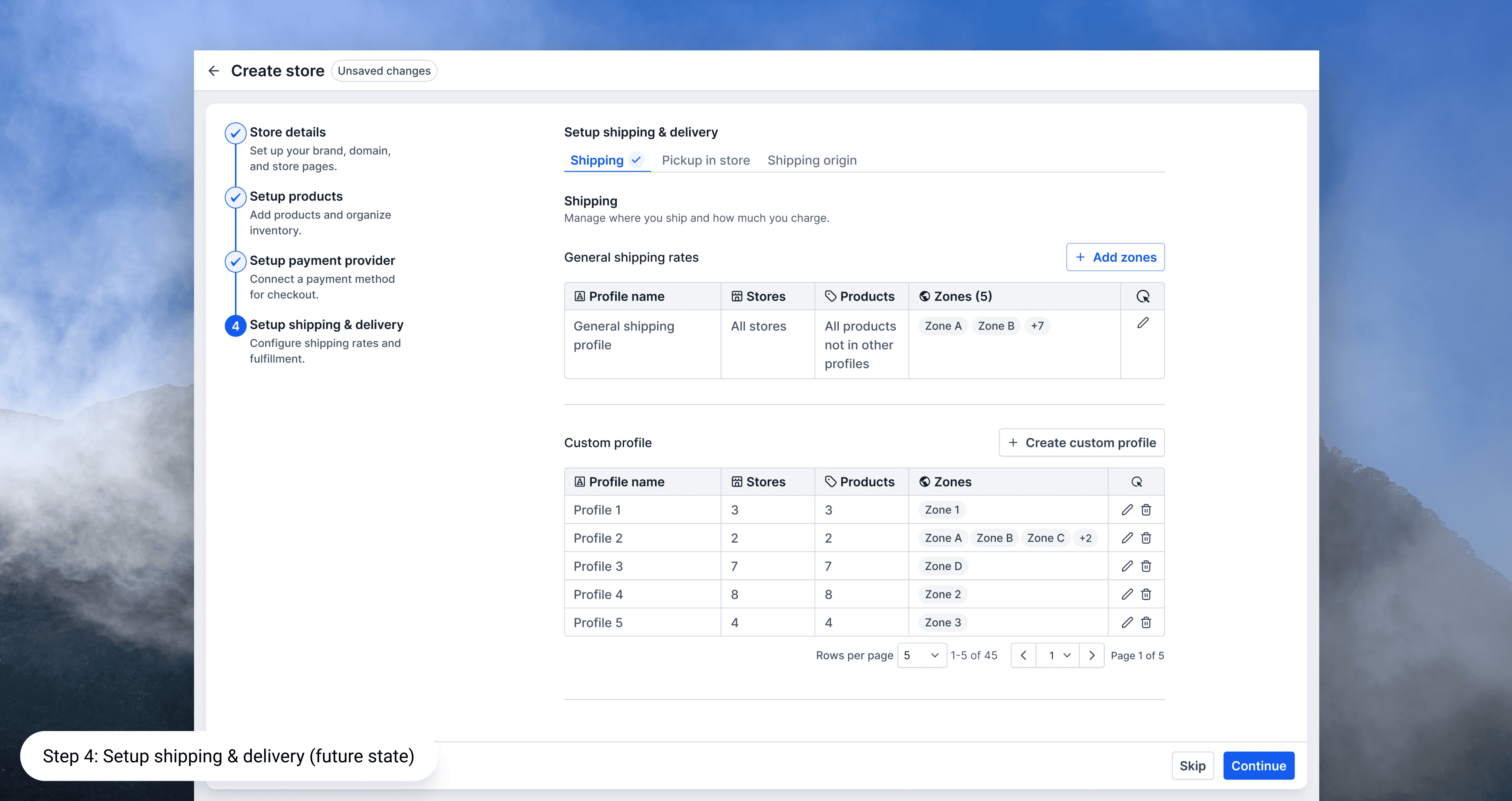
Designed a 4-step structured onboarding flow covering store details, product setup, payment provider configuration, and shipping setup.
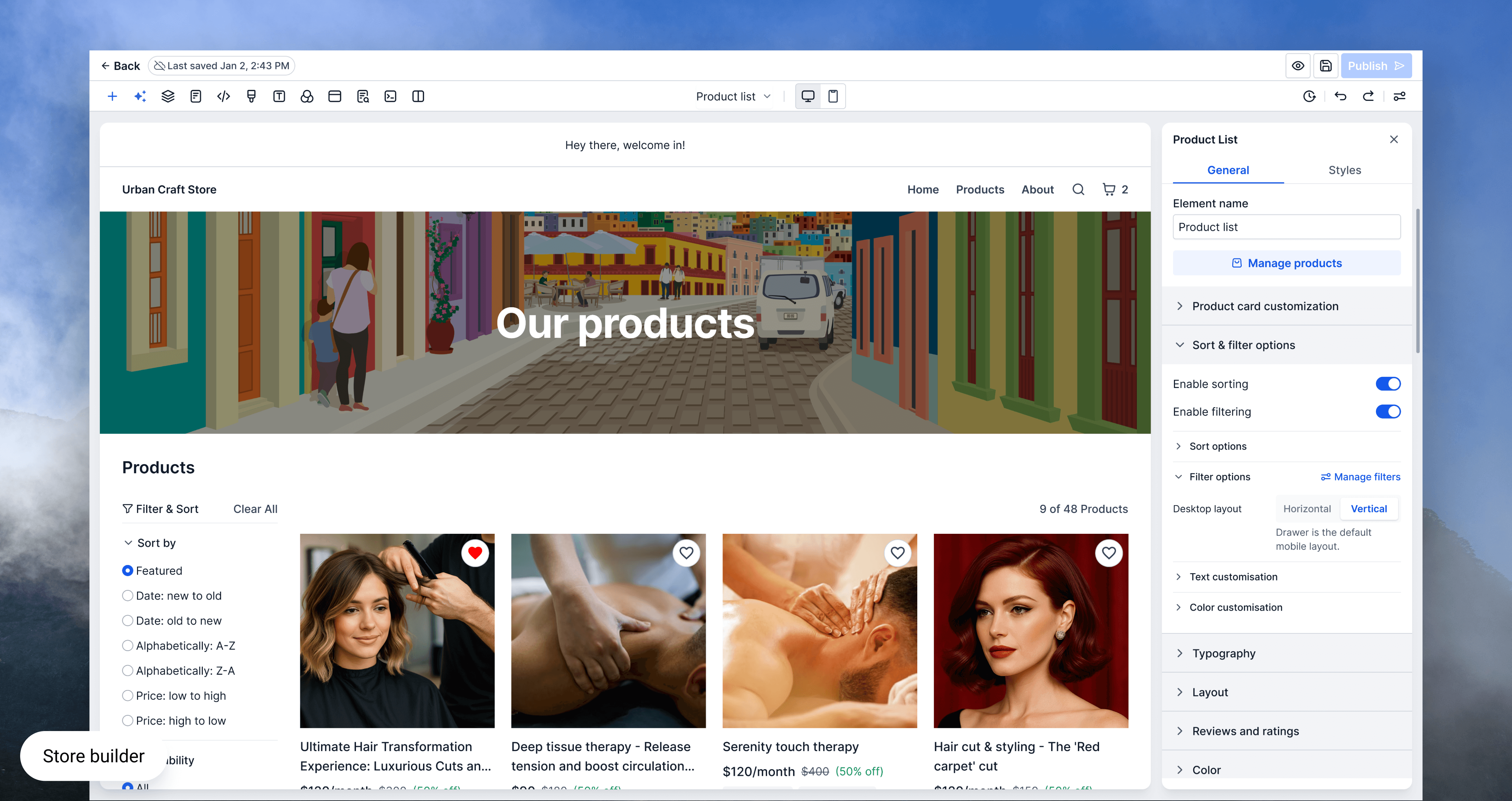
Added live preview panels during configuration to help users visualize their storefront while setting it up.
Introduced explicit readiness states (Incomplete, Verified, Live) to clearly communicate store progress.
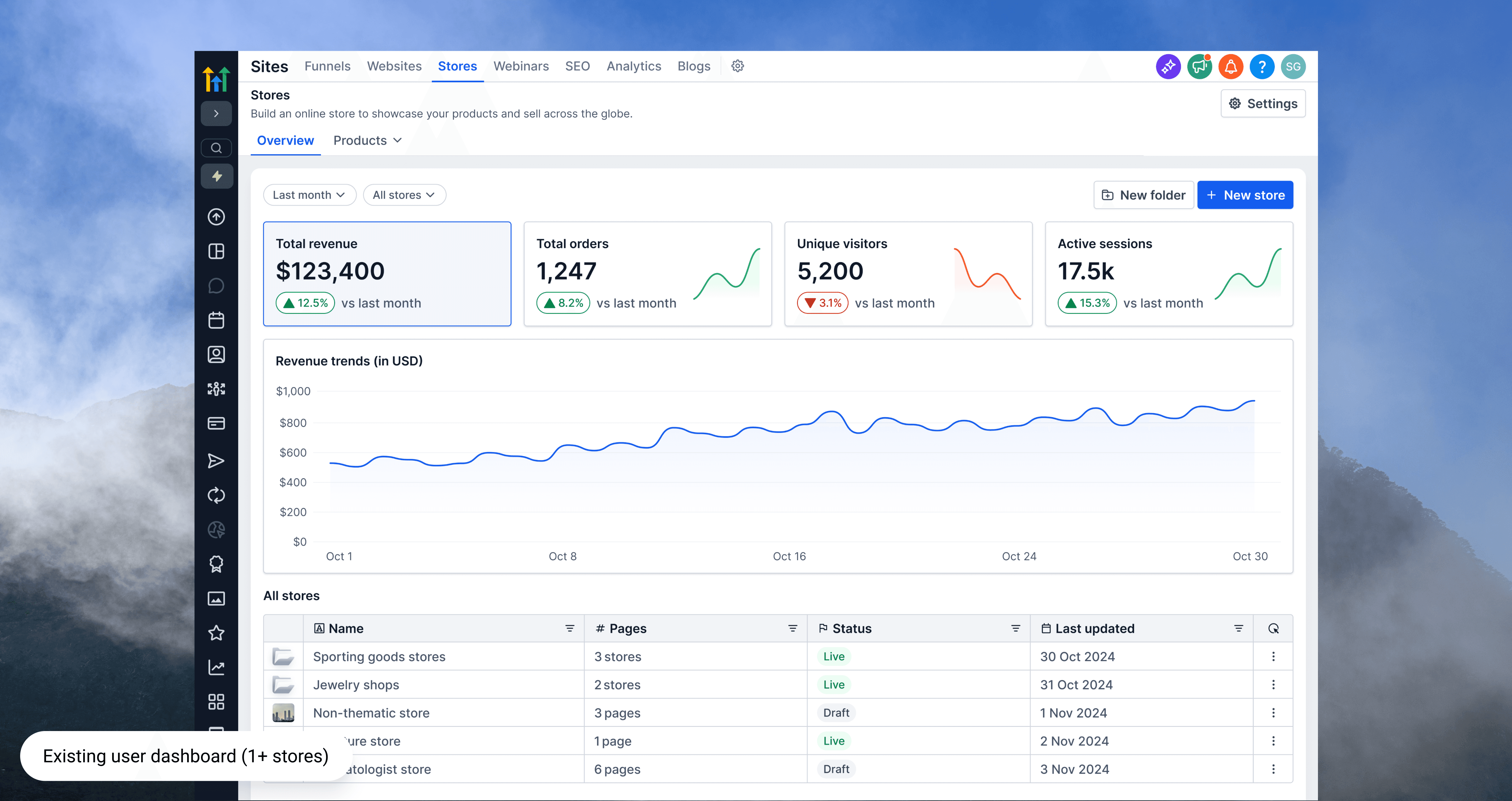
Built a unified operational dashboard that surfaces core ecommerce metrics such as total revenue, total orders, unique visitors, and active sessions.
Implemented a persistent milestone panel tracking 6 activation steps, including adding products, connecting payments, configuring shipping, and placing a test order.
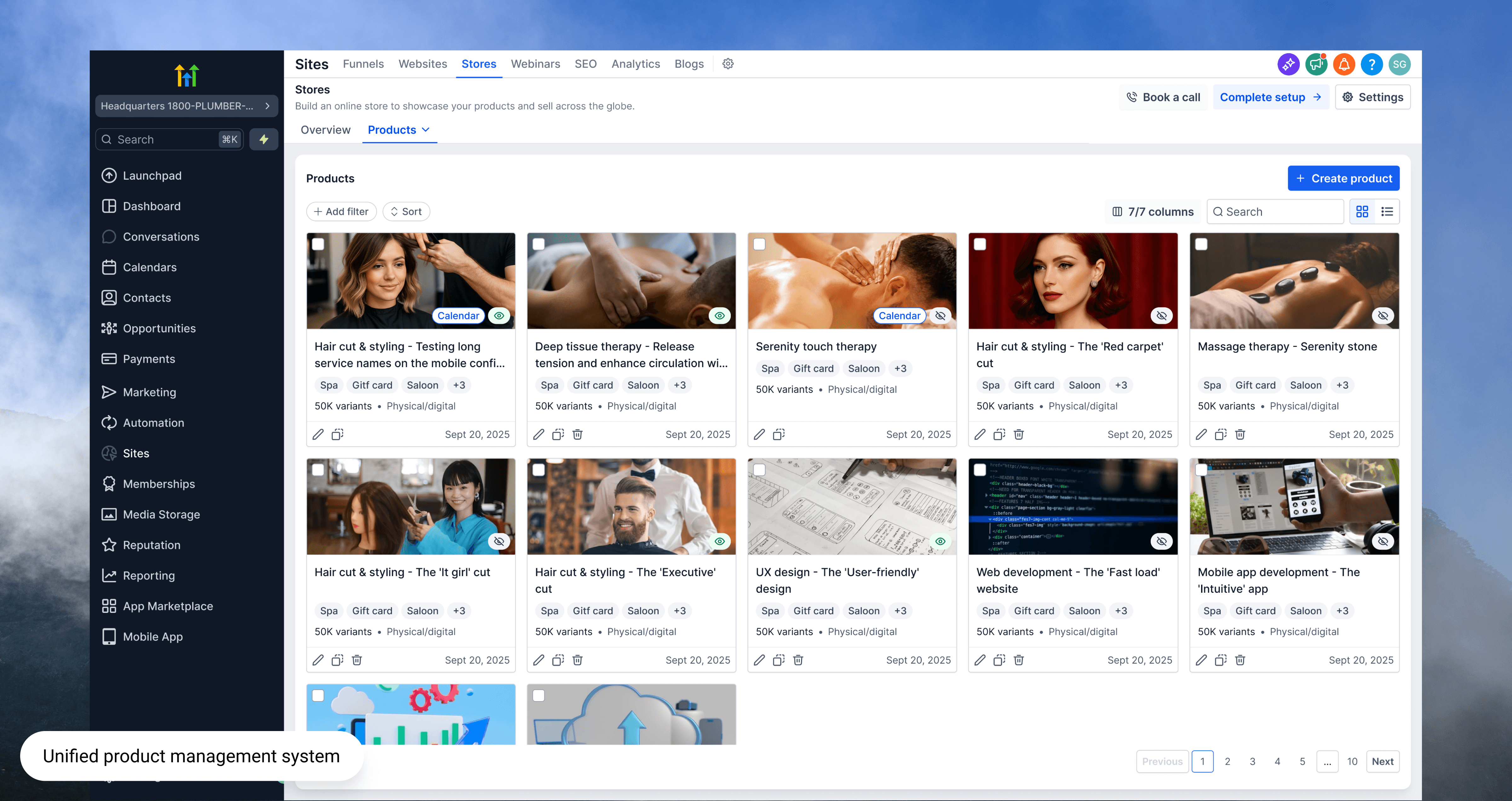
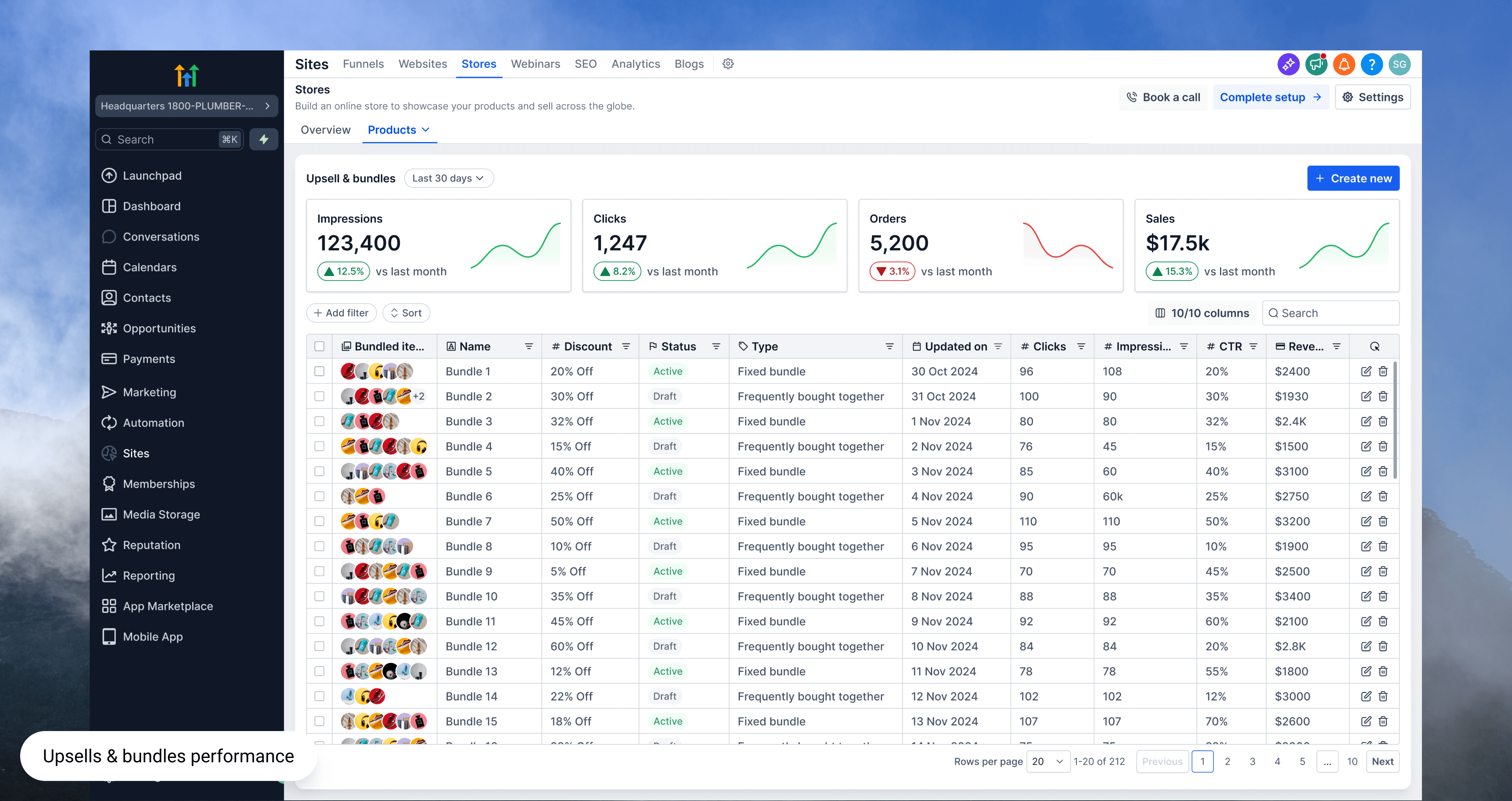
Unified product management with both table and grid views, supporting service-based and catalog-heavy stores.
Impact
The redesign transformed ecommerce from a fragmented feature set into a structured, measurable activation system.
Introduced lifecycle-based onboarding with 4 guided setup steps to reduce activation friction.
Implemented milestone tracking across 6 key activation tasks, making store readiness visible and actionable.
Enabled tracking of activation metrics such as store creation → test order completion, step-level drop-offs, and time to first product added.
Introduced explicit store states (Incomplete, Verified, Live) to remove ambiguity around operational readiness.
Built a revenue-focused dashboard displaying core metrics such as $123,400 total revenue, 1,247 total orders, 5,200 unique visitors, and 17.5k active sessions in the redesigned interface.
The system now enables ecommerce activation to be measured, analyzed, and optimized, with deeper quantitative performance analysis scheduled after full rollout.